

Nausea and vomiting are unpleasant but common and usually temporary. Often, a harmless gastrointestinal infection or a spoiled meal is the cause. During this time, it is especially important to compensate for the loss of fluids.
Possible causes
Gastrointestinal infection
Viruses or bacteria irritate the gastrointestinal tract and trigger nausea and vomiting. The symptoms usually subside within a few days.
Food and intolerances
Spoiled food, heavy meals, or poorly tolerated foods can irritate the stomach. The body responds with nausea.
Other triggers
Motion sickness, migraine, stress, or certain odors can cause nausea. Hormonal changes sometimes play a role as well.
Typical steps at the doctor's office
- 1During the consultation, the doctor will ask about the onset, duration, accompanying symptoms, and possible triggers such as meals or travel.
- 2Your abdomen will be examined to help classify the symptoms and assess your general condition.
- 3In cases of persistent vomiting, blood or urine tests may help evaluate your fluid and electrolyte balance.
What you can do yourself
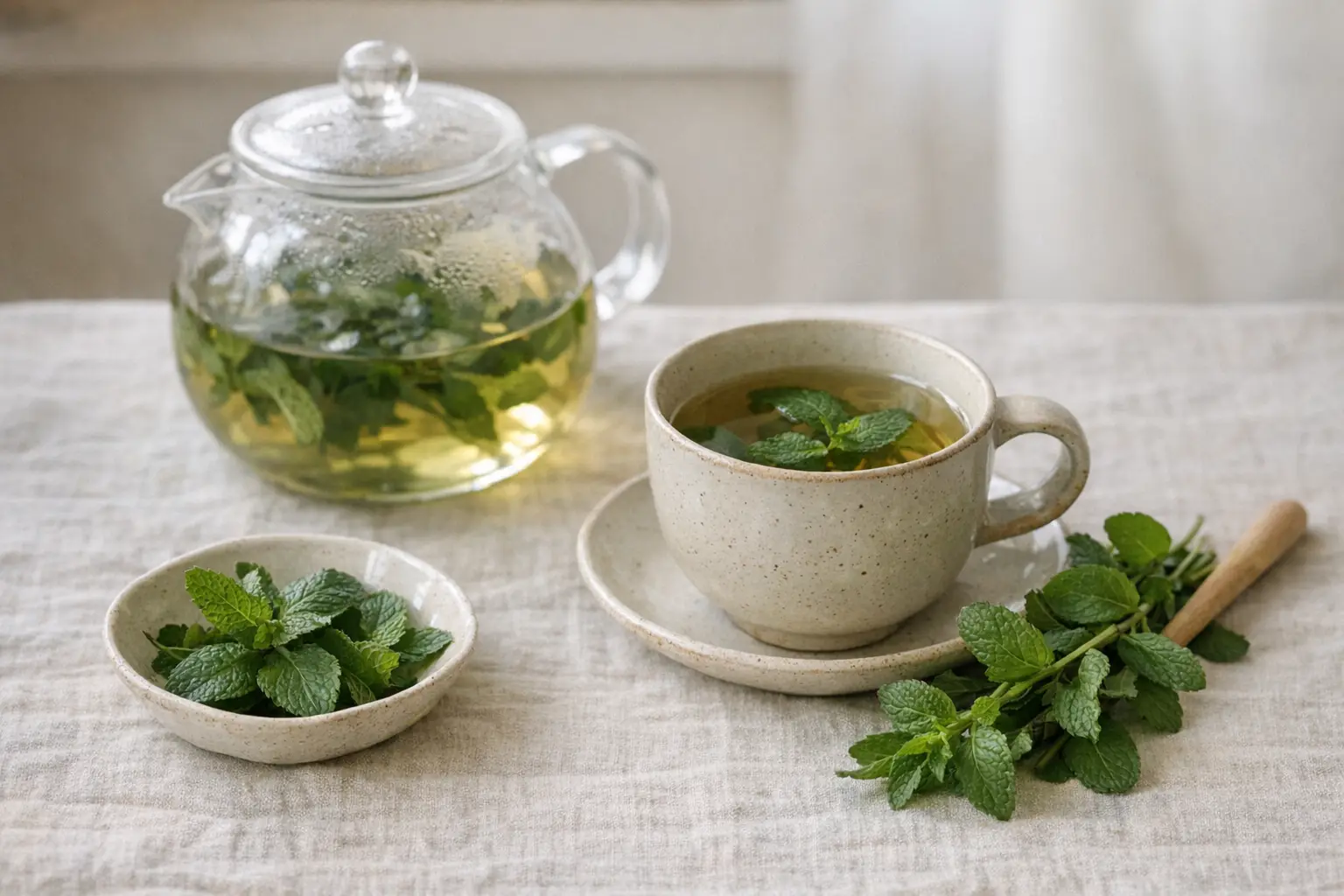
- Drink in small sips, such as water or unsweetened tea, to replace lost fluids.
- Gradually resume eating with light, low-fat foods such as crackers, rice, or soup.
- Give your stomach a rest and avoid hard-to-digest, fatty, or heavily spiced foods for the time being.
- Fresh air and rest can help relieve nausea.
Vomiting blood, vomiting with severe headache or after a blow to the head, with a hard abdomen or severe abdominal pain is an emergency. If vomiting lasts more than one to two days, or if it is not possible to keep fluids down, medical advice should be sought. If there is a strong feeling of weakness or clear signs of dehydration, the general practitioner's office should also be contacted.

Frequently asked questions
- When can I resume eating normally?
- Once the nausea subsides, you can gradually begin with light foods and slowly increase portion sizes. Listen to your body as you do so.
- What helps with fluid loss?
- Regular drinking in small amounts is crucial. Water, unsweetened tea, or clear broth are good options for replacing lost fluids.
Not sure whether you should go or whom to see? Describe your symptoms — we'll find the right practice in your area.