
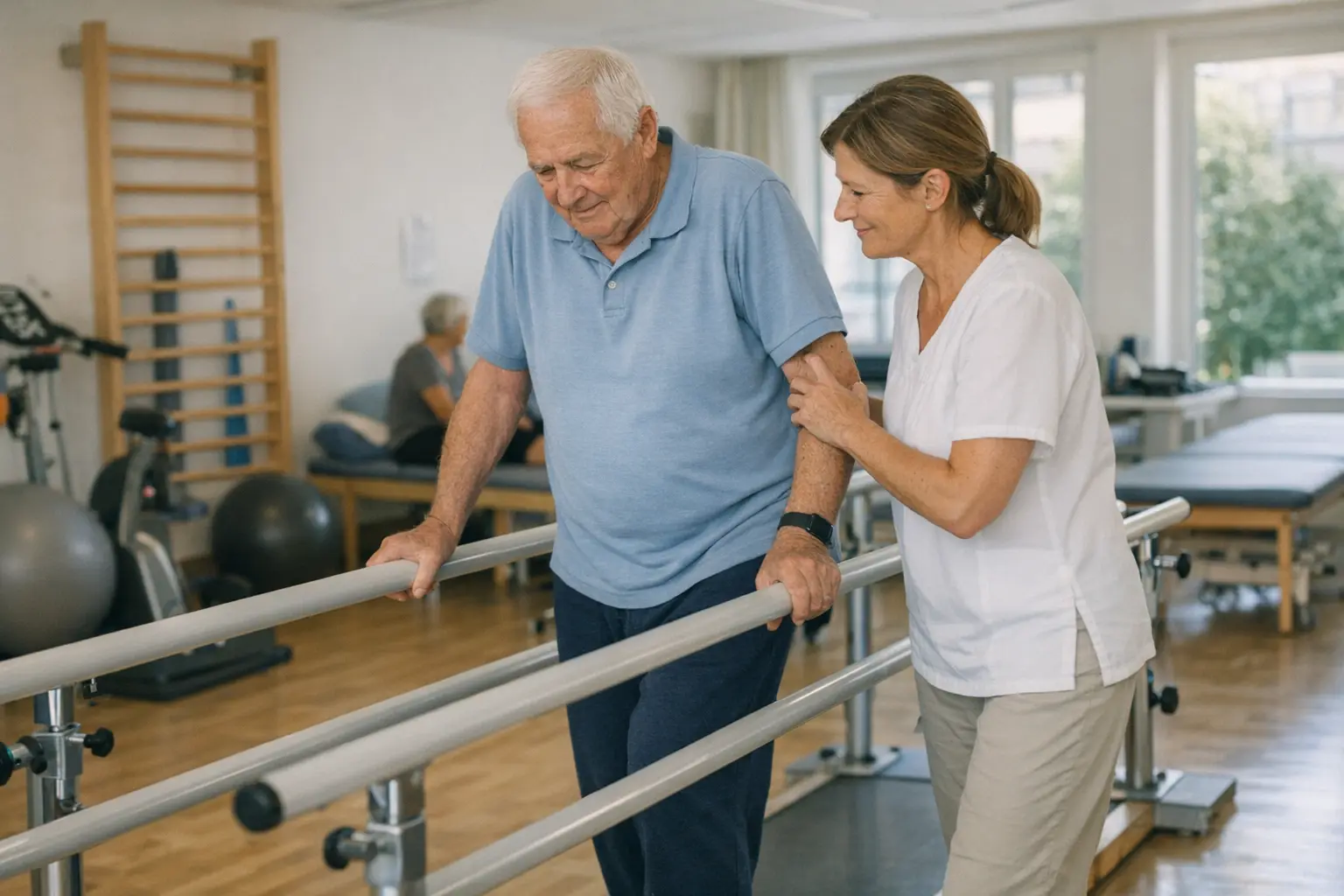
Inpatient rehabilitation helps you regain your strength and return to everyday life after a serious illness, surgery, or accident. For several weeks, you stay in a rehabilitation clinic and work daily with a team of doctors, therapists, and nurses toward your goals. The focus is not solely on the illness, but on what you want to be able to do again in daily life.
Typical Areas of Use
- Recovery after major surgery, such as joint replacement
- Rehabilitation after heart attack or cardiac surgery
- Recovery after stroke or neurological conditions
- Strengthening after prolonged hospitalization or bed rest
- Chronic lung or back conditions
- Return to work and everyday life
How It Works
- 1Before admission, your doctor or the hospital applies for rehabilitation with your health insurer; after cost approval is granted, you receive an admission date at a suitable clinic.
- 2Upon admission, the rehabilitation team examines you thoroughly and sets personal goals together with you — such as climbing stairs again, taking care of yourself, or managing a certain walking distance.
- 3This is followed by a structured weekly schedule with several therapy sessions per day: physiotherapy, equipment training, and as needed, occupational therapy, nutritional counseling, or psychological support.
- 4Progress is regularly reviewed and the program continuously adjusted; in between, there is time for rest, as that is also part of recovery.
- 5Before discharge, the team discusses with you how to continue at home — for example, with outpatient physiotherapy, aids, or household support.
How to Prepare
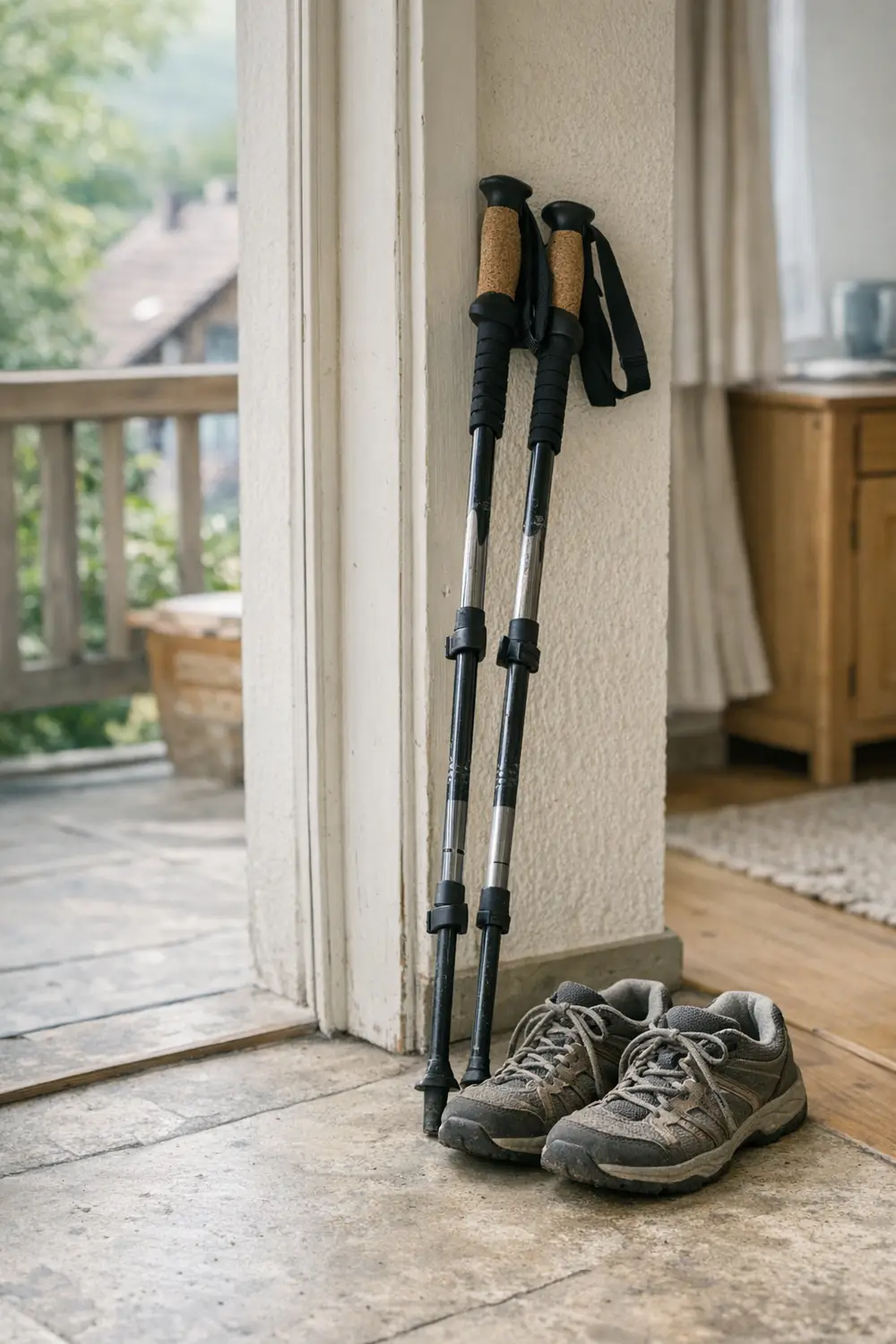
- Pack comfortable clothing and good shoes for movement and exercise.
- Bring your current medication list, medical reports, and your insurance card.
- Before admission, clarify practical matters such as mail, pets, or care responsibilities at home.
- Write down what you want to be able to do again in everyday life — this helps with goal-setting.
Side Effects & Risks
- Muscle soreness and temporary exhaustion from the unaccustomed training workload are common and usually harmless.
- Existing symptoms may temporarily feel stronger under exertion before they improve.
- As anywhere where many people live together, there is a certain risk of infections.
- Rarely, circulatory problems occur under exertion — the team is trained for this and adjusts the program accordingly.
After discharge, it is important to consolidate what you have achieved in everyday life: continue the exercises you learned at home and attend prescribed follow-up therapies such as outpatient physiotherapy. A certain fatigue during the first weeks at home is normal; your body is processing the intensive program. Contact your doctor if your symptoms worsen significantly, or if new pain, fever, or — after surgery — redness and swelling at the wound site occur.
Cost & Insurance
Inpatient rehabilitation is generally covered by basic insurance if it has been medically ordered and the health insurer has given prior cost approval — this is usually arranged by the hospital or your doctor. Franchise and co-payment apply as usual, and there is an additional statutory contribution towards accommodation costs per day. For comfort services such as a single room or free choice of clinic, supplementary insurance is needed depending on the situation. If in doubt, ask your insurer — this information is for guidance only, without guarantee.
Frequently Asked Questions
- How do I get a place in rehabilitation?
- The process goes through a medical referral: your family doctor or the treating hospital submits the application to the health insurer and registers you at a suitable clinic. You cannot register yourself, but you may express preferences regarding the clinic.
- How demanding is the program — will I even manage it?
- The program is adapted to your capacity and starts where you are. It may be challenging, but should not overwhelm you; the team increases the intensity step by step and deliberately schedules recovery times.
- Can I receive visitors during rehabilitation?
- Yes, in most clinics visitors are welcome outside therapy times, often on weekends as well. The exact times can be obtained from the respective clinic.
- What will inpatient rehabilitation cost me?
- With a doctor's order and cost approval, basic insurance covers the treatment costs; you pay the Franchise and co-payment as with other treatments, plus a statutory daily contribution to the stay. Your health insurer will clarify the details.
- What is the difference between rehabilitation and a health cure?
- Rehabilitation is a medical treatment with clear goals and medical supervision, which is covered by basic insurance when appropriately ordered. A health cure serves general recuperation and is generally not a mandatory benefit of basic insurance.