
Involuntary urine loss is far more common than many people think, and affects both women and men. It is not an unavoidable fate, but in most cases can be treated effectively. Whether urine leaks when coughing and laughing or is preceded by a sudden, barely controllable urge indicates different types. The topic is delicate, but everyday – and openly consulting your doctor is worthwhile.
Possible causes
Stress incontinence
Urine leaks when pressure is applied to the abdomen, for example when coughing, sneezing, laughing, or lifting. Often the pelvic floor is weakened.
Urge incontinence
A sudden, strong urge to urinate can hardly be held back. The cause is usually an overactive bladder.
After pregnancy or menopause
Childbirth and hormonal changes can weaken the pelvic floor and tissue and promote urine loss.
Prostate and pelvic floor in men
In men, changes to the prostate or a weakened pelvic floor can lead to involuntary urine loss.

Typical steps at the doctor's office
- 1In a confidential consultation, the type of urine loss and the triggers are discussed; a voiding diary helps to identify the pattern.
- 2A urine test rules out irritation or inflammation as a cause.
- 3Depending on the findings, an ultrasound examination and an assessment of the pelvic floor follow to select the appropriate treatment.
What you can do yourself
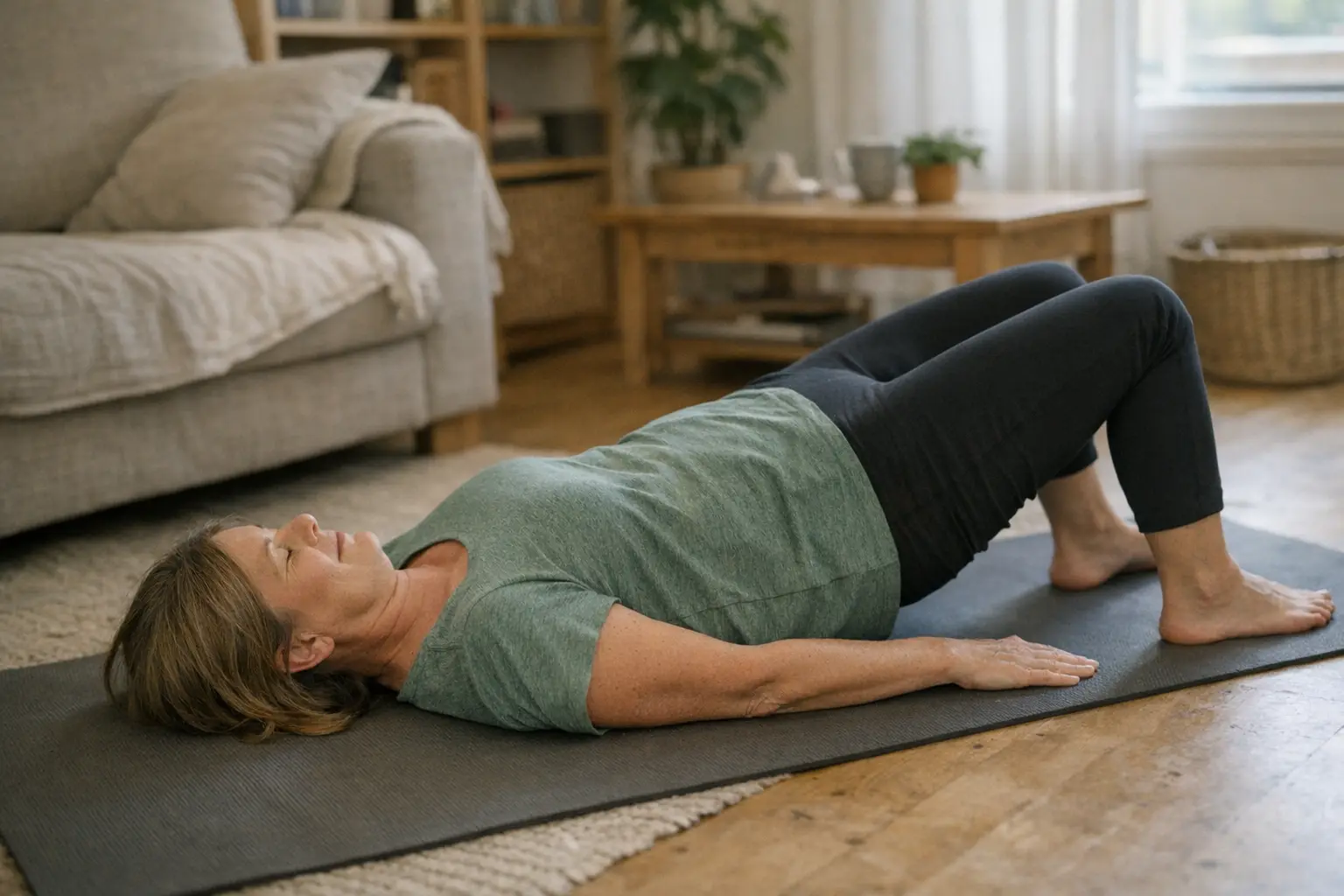
- Regular pelvic floor training is the most effective measure for many types and can be easily integrated into daily life.
- A healthy body weight relieves the pelvic floor and reduces pressure on the bladder.
- Keep caffeine and alcohol moderate, as they can irritate the bladder.
- Empty your bladder at regular intervals and do not constantly go to the toilet as a precaution.
If involuntary urine loss troubles you in daily life or occurs newly, an evaluation is worthwhile – even if the topic is uncomfortable. Your general practice, urology practice, or gynecology practice will accompany you in a matter-of-fact way.

Frequently asked questions
- Is bladder weakness simply part of getting older?
- It becomes more common with age, but is not an inevitable consequence and in most cases can be treated effectively. Therefore an evaluation is worthwhile regardless of age.
- Does pelvic floor training really help?
- Yes, for many types it is the most effective first measure. Practiced regularly, it can significantly reduce urine loss.
- Do I really need to see a doctor about this?
- The topic is understandably delicate, but very common and routine in medical practice. An open evaluation is the first step toward effective treatment.
Not sure whether you should go or whom to see? Describe your symptoms — we'll find the right practice in your area.