
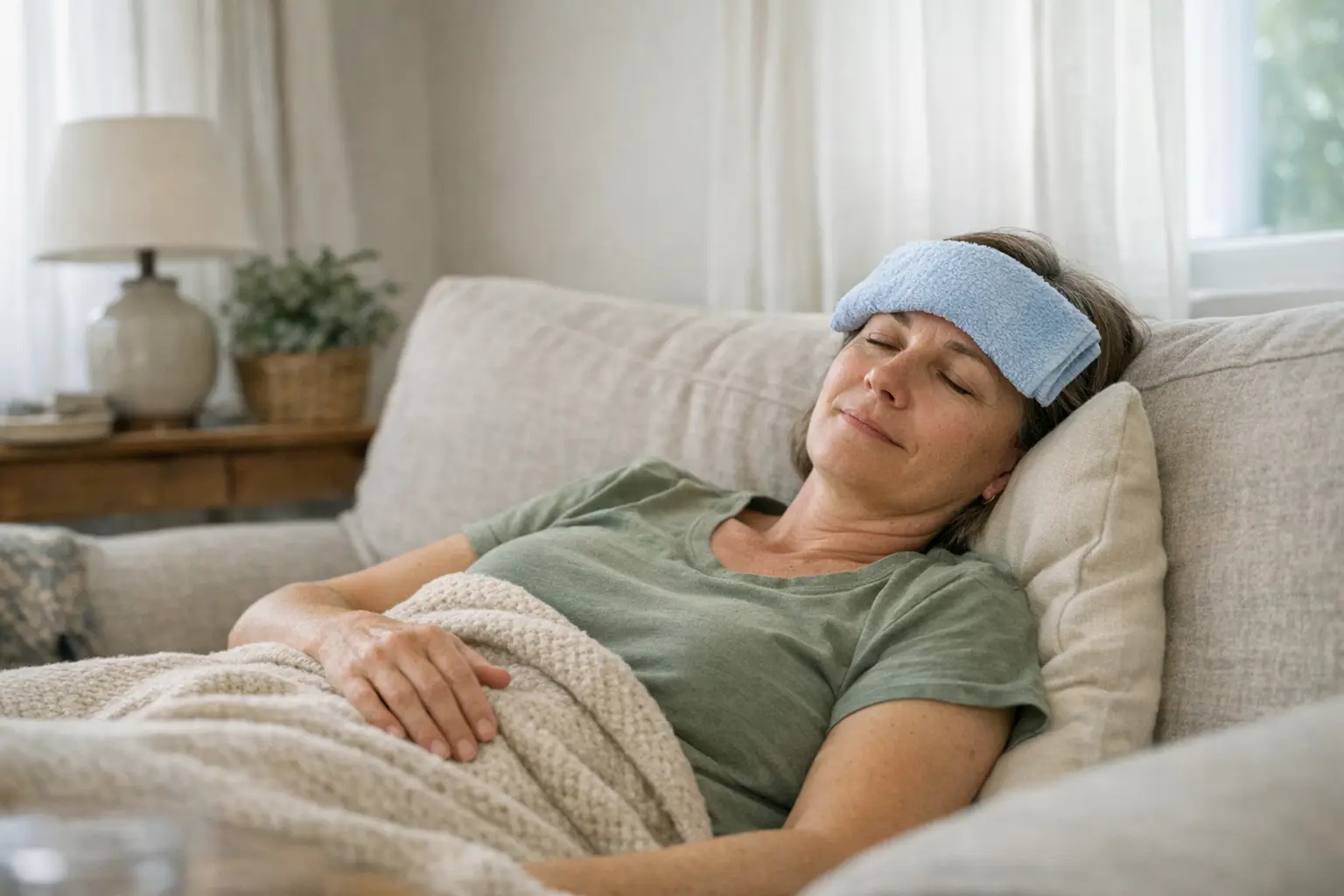
Migraine is far more than 'severe headaches' — it is a distinct neurological condition that affects a great many people in Switzerland. Characteristic features are episodic, often one-sided and throbbing pain, accompanied by nausea as well as sensitivity to light and noise, and worsening with movement. The good news: while migraine is not curable, it can be managed well today, and most sufferers learn over time to gain significantly better control of their attacks.
Possible causes
Predisposition and stimulus processing
Migraine is based on an innate sensitivity of the brain to stimuli. During an attack, temporary processes occur in the nervous system that trigger pain and accompanying symptoms. The predisposition often runs in families.
Everyday triggers
Sleep deprivation or irregular sleep, skipped meals, insufficient fluid intake, stress or indeed the release of stress at the weekend can precipitate an attack. Triggers vary individually.
Hormonal fluctuations
In many women, attacks occur more frequently around menstruation, because hormone levels fluctuate strongly at that time. Other hormonal changes can also play a role.
Migraine with aura
Some sufferers experience an 'aura' before the pain, with temporary visual disturbances such as flickering or zigzag lines, less commonly with tingling. It is unpleasant but usually resolves on its own within an hour.

Typical steps at the doctor's office
- 1The neurologist will assess your symptoms based on pattern, frequency, duration and accompanying symptoms. A headache diary — noting when an attack occurred, how severe it was and what preceded it — is surprisingly helpful and helps identify triggers.
- 2With a typical migraine, imaging of the head is usually not necessary. It is only used if the headaches are new, unusual or accompanied by striking neurological signs.
- 3Treatment rests on two pillars: rapid relief of the acute attack and — in the case of frequent episodes — preventive therapy. Which medications and measures are appropriate is determined by the doctor together with you, depending on the frequency of attacks.
What you can do yourself
- Keep a simple headache diary — it helps identify personal triggers and assess the course over time.
- Pay attention to a regular routine: fixed bedtimes, regular meals and adequate fluids are among the most effective preventive measures.
- During an attack, if possible, retreat to a quiet, darkened place — reducing stimuli benefits most sufferers.
- Take painkillers in a targeted way and on as few days per month as possible to avoid medication-overuse headache.
Not every headache in migraine is an attack: a sudden, never-before-experienced thunderclap headache, an aura lasting longer than one hour, headache with fever and neck stiffness, or with paralysis, speech disorder, or visual disturbance is an emergency — call 144 immediately. A doctor's visit is advisable if migraine attacks occur frequently, become stronger or last longer, if you regularly need pain medication, or if the attacks noticeably limit your everyday life and quality of life. Even if an aura or unfamiliar accompanying symptoms occur for the first time, a medical assessment is worthwhile.

Frequently asked questions
- Is migraine curable?
- No, but very manageable. With the right acute measures and — in the case of frequent attacks — preventive therapy, the number and severity of episodes can be significantly reduced in many sufferers.
- How do I distinguish migraine from tension-type headache?
- Migraine is typically episodic, often one-sided and throbbing, worsens with movement and is accompanied by nausea as well as sensitivity to light and noise. Tension-type headache is more dull, bilateral and pressing, without these accompanying symptoms.
- Can I exercise during an attack?
- Usually not — physical exertion typically worsens migraine. During pain-free periods, however, regular, moderate exercise is helpful and tends to have a preventive effect.
Not sure whether you should go or whom to see? Describe your symptoms — we'll find the right practice in your area.